Nothing really worthwhile come easy (normally). Also, change is the only thing constant in life. The beat-selling ecosystem has evolved, and in 2026 the producers who win are the ones who monetize their craft across multiple channels — not just one. If you’ve ever asked how to make money from beatmaking, then, this beatmaking income playbook is a practical, straight to the point, step-by-step, no fluff, no-story guide to turning your passion for making music into sustainable income streams.
The paths listed in this ‘playbook’ are applicable whether you’re producing in your bedroom or running a small studio. In other words, the it applies to producers at every level. Below are 8 proven ways to make money selling beats online, grow your brand, and reach new audiences. By the end, you should stop asking how to make money as a music producer online and actually start doing it.
1. Sell Your Beats Online (The Classic Starter Move)
The foundation of every beatmaker’s income strategy is simple: sell your beats. Platforms like BeatStars, Airbit, and Soundee make it easy to upload, tag, and monetize beats in minutes. These marketplaces attract artists, YouTubers, podcasters, and even advertisers looking for original music.
Tips to maximize your beat sales:
- Use proper tagging: Include genre, mood, and artist-type keywords (e.g., “Drake type beat 2026”).
- Offer lease options: Affordable, non-exclusive licenses bring in emerging artists.
- Upsell exclusive rights: Keep your higher-value beats available for clients with bigger budgets.
- Promote your store: via TikTok, Pinterest, and YouTube Shorts using snippets of your beats.
2. Lease, License, or Sync Your Beats: A Beatmaking Income Playbook Essential
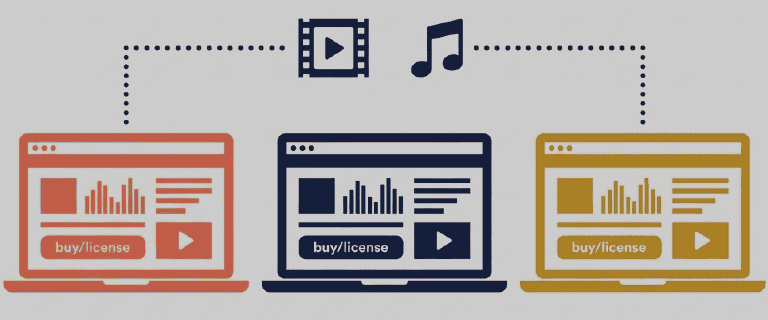
Beyond one-off sales, producers can build steady, recurring income through leasing or sync licensing. Leasing lets multiple artists use the same beat under specific conditions, so you keep earning after the first sale. Sync licensing goes further: it grants your beats a home in film, games, commercials, podcasts, or YouTube videos and for beatmakers with an ear for cinematic or emotionally driven production, this is often the more lucrative long game.
Popular licensing options:
- Sync libraries: Motion Array, Musicbed, Epidemic Sound, Pond5. Check current submission status before applying, since these platforms open and close intake periodically.
- Music for podcasts or ads: ideal if your beats are cinematic or with ambience.
- TV and game placements: register with BMI or ASCAP to collect performance royalties on top of any licensing fee.
If you’re producing with an eye toward film or trailer work specifically, sync licensing for beat makers is worth treating as its own specialization rather than an afterthought. The pay-per-placement model can outperform marketplace sales once you land a handful of consistent buyers.
How Much Do Beat Makers and Producers Make in 2026?
You’re wondering about a beatmaker salary in 2026. Income figures vary by source, so it’s worth cross-checking rather than anchoring to one number.
Per Glassdoor (national U.S. averages, as of 2026):
- Music Producer: $104,199/year, with a typical range of $78,149 – $145,878 depending on experience and employer.
- Beat Maker: $51,793/year, with a typical range of $38,845 – $70,950.
- Los Angeles Music Producer: $106,120/year — about 12% above the national average.
Per ZipRecruiter (national U.S. average, as of mid-2026): music producer pay is reported around $168,964/year, but the accompanying percentile range is unusually wide and inconsistent (a 25th percentile below a 75th percentile of $400,000), which suggests their dataset likely blends unrelated “producer” titles — film and TV producers, for instance — rather than cleanly isolating music production roles. Treat that figure with caution; Glassdoor’s numbers, drawn specifically from self-identified music producer and beat maker respondents, are the more reliable baseline here.
Beyond one-off sales, producers can build steady, recurring income through leasing or sync licensing
At major labels, in-house producer roles tend to range from the high-$50k’s to just over $100k/year, while freelancers see wider variance depending on workload and project type.
Factors that influence income:
- Experience and catalogue size: more released, licensed beats generally means more potential revenue.
- Platform diversification: producers earning across YouTube, TikTok, and course sales tend to see stronger, more stable results.
- Genre focus: pop, trap, and R&B beats tend to move faster in online marketplaces.
- Exclusive vs. non-exclusive licensing: exclusives pay more per beat but limit how many times that beat can sell.
What this means for you:
- Beatmakers often start around $30k–$50k/year.
- Producers combining multiple income streams can reach $60k–$100k+.
- Producers with consistent sync placements may exceed $150k+ annually.
The pattern holds across most sources: income scales with diversification. Producers spread across several monetization paths consistently outearn those relying on beat sales alone.
If you’re producing with an eye toward film or trailer work specifically, sync licensing for beat makers is worth treating as its own specialization rather than an afterthought…
3. Monetize With YouTube “Type Beat” Channels
YouTube remains one of the most reliable tools for exposure and monetization. A channel built around type beats, tutorials, or behind-the-beat breakdowns can earn ad revenue while driving traffic straight to your store.
Pro tips:
- Use clear, searchable titles like “Drake Type Beat – 2026 | Free for Non-Profit Use.”
- Add your beat store link in every video description.
- Enable the YouTube Partner Program once you hit monetization thresholds.
- Include affiliate links for gear or sample packs you actually use.
4. Sell Sample Packs and Drum Kits
Once you’ve developed a distinct sound, package it. Producers are always looking for fresh samples and drum kits to break out of creative blocks, and you can sell packs directly via Shopify, Gumroad, or Sellfy.
Pair each pack with a short demo video on TikTok, Pinterest, or Instagram Reels for organic reach. A well-branded sample pack business can become one of your most durable digital assets — it sells while you sleep, long after the initial release push.
5. Make Money as a Creator on TikTok, Instagram and Pinterest
If you’ve wondered how creators earn from Instagram, how creators earn from YouTube, or how creators make money on TikTok — for beatmakers, the answer is the same across all three: turn your beats into content, and monetize the content itself.
- Instagram: Reels bonuses, affiliate posts, sponsorships, and direct beat sales via DMs.
- TikTok: ride trending sounds and keep your beat store linked in your bio.
- Pinterest: visual pins linking back to your store build slow, compounding, long-term traffic.
Treat these platforms as search engines for musicians and creators, not just social feeds. Consistency builds the brand equity that eventually opens doors to sponsorships and paid partnerships.
6. Offer Custom Music Production Services
If you can tailor a beat to an artist’s specific vibe, custom production can be genuinely lucrative. List your services on Fiverr, SoundBetter, Upwork, or your own site — rates for custom tracks commonly run $300–$2,000 depending on complexity and client budget.
Producers with sound engineering chops can extend this into vocal mixing and mastering services. Songwriting add-ons push per-client earnings even higher.
7. Teach Beatmaking or Launch an Online Course: A Beatmaking Income Playbook Approach
If you’ve built real expertise, package it. Host classes on Skillshare or Udemy, or offer private mentorship via Zoom or a platform like Skool. Courses generate long-term, largely passive income — especially beginner-friendly topics like “How to Start Making Beats from Scratch” or “Mixing Trap Drums Like a Pro.”
Short eBooks or downloadable templates are a low-lift way to add extra value, and extra revenue — for the same audience.
If you can tailor a beat to an artist’s specific vibe, custom production can be genuinely lucrative.
8. Monetize Through Streaming and Distribution
The eighth income stream is distinct from marketplace sales: royalties from streaming. Upload instrumental albums to Spotify, Apple Music, and YouTube Music through distributors like DistroKid, Ditto, or CD Baby. Royalty income compounds slowly, but it compounds — especially if you release consistently and market across platforms as you go.
Even a modest following can generate real monthly income once streaming is paired with merch, sync placements and YouTube monetization. None of these eight streams work perfectly in total isolation; they reinforce each other, and diversification is the actual throughline of this whole playbook. That’s really the point of this beatmaking income playbook — not any single stream, but the compounding effect of running several at once.
Some Questions People Frequently Asked
How do beatmakers make money online? Beatmakers make money online by selling, leasing, or licensing beats, teaching courses, and monetizing content on YouTube, TikTok, and Instagram.. Start from the top of the write-up to learn eight possible ways to do just that.
What’s the best site to sell beats in 2026? This depends on your goals, but BeatStars, Airbit, Traktrain, and Soundee remain the leading marketplaces. If you, are in it for the long haul, you should consider proper branding. A custom website (intergrated with BeatStars or Airbit) for selling beats would certainly improve your reach and earnings.
Can I sell my beats on platforms like Loopmasters or PrimeLoops? Not directly — those are sample-pack marketplaces, not beat-selling platforms. They’re suited to loops, sound packs, and presets. For full beats, stick with BeatStars, Airbit, Soundee, Traktrain or a custom website.
How can I make money on Pinterest as a beginner? Post creative pins linking to your beat store, blog, or services. Pinterest itself doesn’t pay creators directly — the value is the steady, long-term traffic that visual content drives back to your own platforms.
After this piece, I’d recommend you read 7 Places to License Your Beats for Indie Films (That Aren’t BeatStars) and maybe Cover, Sample or Interpolate? 8 Ways to Legally Use Published Songs. Hope you’ll find them useful in your beat-selling, entrepreneural and music publishing journey. Until the next one. Keep pushing, even if it looks diffcult or impossible at first — what goes up must come down eventually!