Pop Billie Eilishly. What’s that? It’s the word for what happens when one artist rewrites the rules and the whole industry has to scramble to keep up. That’s basically the billie eilish music industry impact in one phrase: she didn’t just have a moment, she changed how pop gets made, marketed and sold.
Pop used to be a rich person’s game. A label wanting a hit would book an expensive studio, fly in a room of professional songwriters, and hire an army of engineers. Then a PR team would smooth the artist out until nothing real was left. Then Billie showed up, and there was nothing left for them to smooth. She’d already decided not to be a product.
When We All Fall Asleep, Where Do We Go (2019) made her a household name almost overnight, and honestly, one of the most watched teenagers on the planet. “Bad Guy,” “Bury a Friend,” “When the Party’s Over,” all blew up back to back. Then a Grammy sweep: Best New Artist, Album of the Year, Record of the Year, Song of the Year. All four. On a debut. That basically never happens.
The wins kept stacking with Happier Than Ever (2021) and Hit Me Hard and Soft (2024), plus Oscars for “No Time to Die” and “What Was I Made For.” A pop star crossing into film scoring, twice? Rare air. Call it her sonic evolution on fast-forward, and the industry just kept having to catch up.
How Billie Eilish Changed Pop Music
Short answer: she made a bedroom the new industry standard. For a longer answer, keep reading.
Billie made her debut as a teenager, working out of an actual bedroom with her brother Finneas. He built the sound, she brought the voice, and together they showed how fragile the old pop machine really was. They didn’t try to squeeze into the industry’s boxes. They just ignored them. Don’t ask for a seat at the table, build your own table.
No More Songwriting Camps
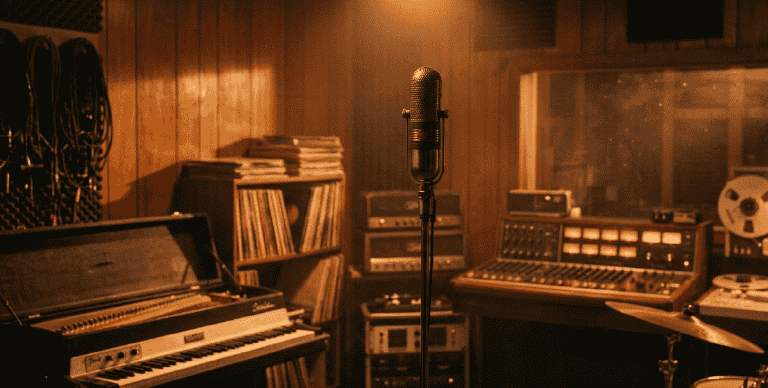
Old pop records got made like corporate projects: a room full of writers engineering one hook to feed an algorithm. Billie and Finneas skipped all that. The Finneas O’Connell production style is basically the opposite of a big studio: an audio interface, one decent mic, a laptop, full creative control.
Old pop records got made like corporate projects: a room full of writers engineering one hook to feed an algorithm. Billie and Finneas skipped all that.
That setup proved a bedroom in Highland Park could out-chart a million-dollar studio in LA. It wasn’t about saving cash, it was about owning the work outright, the sound and the publishing. That’s pop stardom creative autonomy in its purest form. It’s a big reason alternative pop production stopped being a niche thing and started being the move.
Whisper Vocals That Hit Harder Than Screaming
Pop singers used to get judged on how loud they could belt. Big, compressed, built for a stadium. Billie flipped that script and went almost silent instead. Her intimate vocal mixing put the mic right up on her voice, so it feels like she’s talking to you in the dark, not performing to twenty thousand people.
Pair that whisper with heavy trap bass and industrial noise and you get genre-blurring dark pop that shouldn’t work on paper but absolutely does. Turns out quiet can hit harder than loud, if you mean it.
The Fit Was the Statement
Pop stars were supposed to look glamorous, curated, made to be looked at. Billie wore giant, neon, shapeless streetwear instead, on purpose. Not just a look, armor. Against body-shaming, against being sexualized as a teenager on the internet.
That choice matched exactly what a lot of her fans were already feeling: done with fake, ready for real. The industry had to accept younger listeners weren’t chasing airbrushed anymore. They wanted someone whose outside matched the mess and depth of the music.
Marketing That Doesn’t Feel Like an Ad
Old promo cycles were stiff: disappear for two years, drop one big video, do a few scripted interviews. Billie tore that up. Every post became part of one connected world instead of a billboard. A real Gen Z strategy, not a gimmick: make fans feel like they’re inside the story, not watching an ad for it.
Every era looks different too, neon horror-green for her debut, soft beige for Happier Than Ever, deep blue for her latest record. Fans aren’t just streaming songs, they’re living inside a whole mood that shifts in real time, which is the whole point of a Gen Z music marketing strategy built around eras instead of eras built around marketing.
Touring Green, on Paper and in Practice
Arena tours are usually an environmental disaster: plastic everywhere, huge carbon footprint, zero accountability. Billie built sustainable global music touring straight into her contracts instead of treating it like a nice add-on. Her long-running work with REVERB has pushed over $1 million toward climate projects, and on the Hit Me Hard and Soft tour, fans logged more than 215,000 climate actions at Eco-Action Villages set up at every single stop, according to REVERB’s own tour impact report. Real numbers, not vibes. National Geographic called it a genuine blueprint for green touring, not just a good look.
That’s the part that actually matters: sustainable global music touring went from a nice-to-have to a line item in the contract.
Okay, But She Didn’t Do This Alone
Here’s the part most Billie takes skip. Grimes was self-producing whole visual worlds before Billie’s debut dropped. Lana Del Rey was already leaning on her own intimate vocal mixing techniques to make hushed, cinematic intimacy a hit years earlier. Clairo, King Princess, and a whole wave of SoundCloud bedroom artists already proved a laptop could out-earn a major-label session.
Billie didn’t invent bedroom production or whisper vocals or anti-glam style. She’s the one who took a whole wave of alternative pop production and ran it through genuinely strong songwriting, landing at exactly the right moment: streaming had already killed the need for expensive distribution, TikTok was about to kill the need for expensive discovery, and Gen Z was actively hunting for the opposite of manufactured.
That doesn’t make it less impressive, honestly it’s the better story. She wasn’t a lone disruptor who broke the machine by accident. She showed up right as a bunch of undercurrents were colliding, and she had the skill to ride all of them without watering any of them down.
Doing things billie eilishly means picking pop stardom creative autonomy over committees, whisper over volume, honesty over manufactured perfection.
Also worth saying: eco-villages don’t make a global arena tour carbon-neutral, full stop. Billie’s talked about that tension openly instead of pretending it’s not there, and honestly, that honesty says more than the sustainability program itself.
The Sync Chair View
Here’s the angle most Billie think-pieces miss completely, and it’s the one that matters if you work in sync licensing like I do.
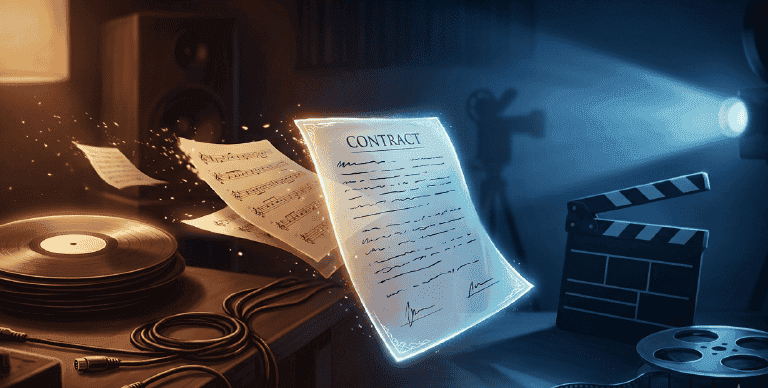
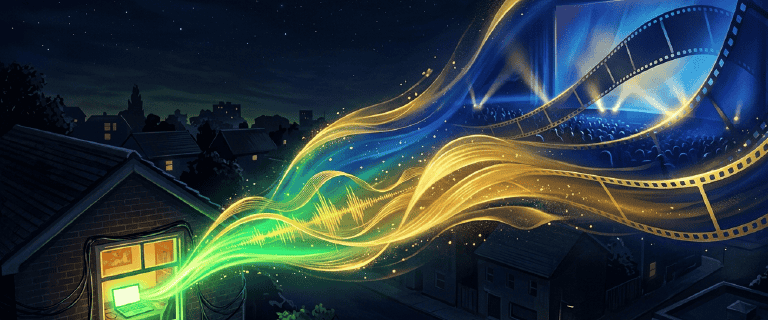
Everything that makes Billie’s catalog culturally huge also makes it awkward to place in a film or show. That whisper-close vocal was mixed to be the loudest, most intimate thing in the room, and that’s a problem when the room already has dialogue in it. Supervisors usually lean on extra space in a mix to duck a vocal under a scene. Genre-blurring dark pop like Billie’s doesn’t leave much room for that, because the whole point of the production was stripping everything down.
Then there’s cost. A catalog this loaded sits at the top of the sync market, and clearance is tightly gatekept, both on price and on principle. That scarcity is part of the brand, but it also means her songs work more like big trailer moments than the flexible cues most sync libraries actually run on.
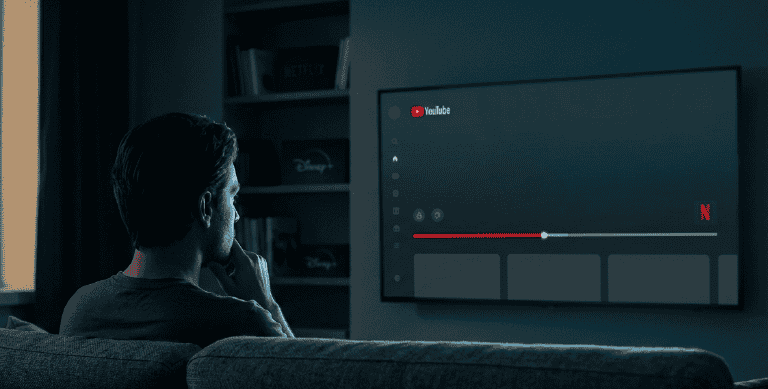
The more interesting sync story here isn’t even Billie, it’s Finneas. His own scoring work outside her albums, the Bond theme included, is the bedroom-to-blockbuster pipeline made literal, and it’s still going: he scored the second season of Netflix’s Beef using the same stripped-down instincts that built Billie’s records. That’s the Finneas O’Connell production style turning up in credits that have nothing to do with pop at all, and it might be the more lasting legacy: not that Billie broke pop alone, but that she and Finneas normalized a way of working now showing up across film and TV scoring too.
Popping Billie Eilishly
The industry didn’t change because it wanted to. It got dragged there. Modern pop looks like this because a bedroom-built philosophy forced it to, showing up at exactly the right moment to matter.
Doing things billie eilishly means picking pop stardom creative autonomy over committees, whisper over volume, honesty over manufactured perfection. She didn’t just top the charts, she and her collaborators pushed the whole business to rebuild parts of itself in that image, even if the real story has more co-authors than the headlines usually give credit for.
At this rate, she might end up in the EGOT conversation before long, still riding a sonic evolution most of pop is only just catching up to. Not sure what that means? Read Why Almost No Music Producer Will Ever Achieve an EGOT. Talking about being exceptional, you should also read Why Killah Priest Might Be Hip-Hop’s Most Creative Mind Ever — you dont necessarily have to love hip-hop to like this. Until next time, stay creative and exeptional.